
165
Framing and Installation Guide: Best Practices for Original Art
Comprehensive Framing and Installation Guide: Best Practices for Original Art Preservation and Display
Framing and displaying original art is an essential practice for collectors and enthusiasts alike, as it not only enhances the aesthetic appeal of the artwork but also plays a crucial role in its preservation. This guide delves into the best practices for framing and installation, ensuring that your original paintings and prints remain in pristine condition while being showcased beautifully. Readers will learn about various custom framing techniques, the importance of archival materials, and expert installation tips that can significantly impact the longevity and presentation of their art.
Understanding the core principles of preservation and conservation is fundamental to maintaining the integrity of archival materials.
Archival Preservation: Environmental Control & Packaging
Besides, preservation is the activities associated with maintaining and restoring archival materials for continued access, either in their original physical form or in some other usable state. Meanwhile conservation is the use of chemical and physicalprocedures in treatment or storage to ensure the preservation of books, manuscripts, records, other documents in order to slow their decay and damage. The presentation in the archives is done by providing proper environmental conditions, storage facilities and appropriate packaging materials in order to protect the records from any damage.
Preservation and conservation of the archival materials, 2014
Many art collectors face challenges in selecting the right framing options and installation methods that protect their investments. This article provides solutions by exploring the best practices in framing and installation, including how to choose the right materials and techniques. We will cover essential topics such as custom framing options, professional framing procedures, and expert tips for art installation, ensuring that your original art is both protected and beautifully displayed.
What Are the Best Custom Framing Techniques for Original Paintings?
Custom framing is vital for preserving original paintings, as it protects the artwork from environmental damage while enhancing its visual appeal. The best custom framing techniques involve using archival materials that prevent deterioration and ensure the artwork’s longevity. By selecting the right frame and materials, collectors can significantly enhance the value and presentation of their art.
Which Archival Materials Ensure Long-Term Artwork Preservation?
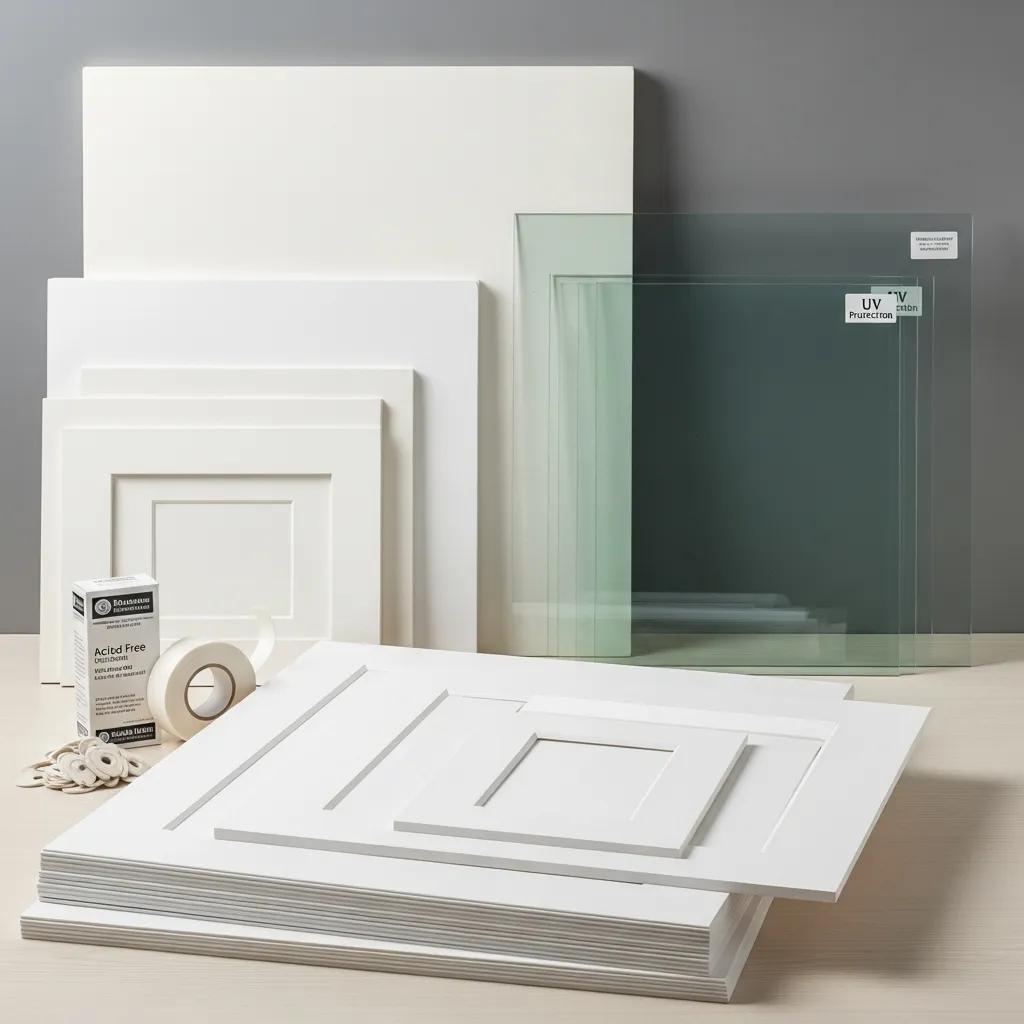
Archival materials are specifically designed to protect artwork from damage caused by light, moisture, and pollutants. Some of the most effective archival materials include:
- Acid-Free Matting: Prevents yellowing and deterioration of the artwork over time.
- UV Protective Glass: Shields the artwork from harmful UV rays that can fade colors and damage surfaces.
- Museum-Quality Backing: Provides structural support while allowing the artwork to breathe, preventing mold and mildew.
Using these materials ensures that your original paintings remain vibrant and intact for years to come.
Specifically, advancements in glass technology offer superior protection against harmful ultraviolet radiation.
Laminated Glass & UV Protection for Art Preservation
Among the most used glass panes, laminated glass is able to cut all UV of a plastic foil between two glass sheets.
Optical coatings for artwork preservation and enhanced viewing, R Arrighi, 2005
Beyond basic UV protection, modern glass protectors offer a range of advanced functionalities crucial for comprehensive art preservation and enhanced viewing experiences.
Advanced Glass Protectors for Art Preservation & Display
Most of the frame glass protectors used to protect artworks from natural and artificial damage are made of pure glass without any special function. However, currently, art museums need various functions to protect works and increase exhibition viewing, such as preventing glass protectors from scattering, blocking ultraviolet rays, suppressing mold growth on the surface of artworks, and reducing light reflection on glass.
A Study on the Improvement of Glass Protector Function in Artworks, 2024
How to Select Frames That Complement and Protect Original Artwork?
Choosing the right frame is crucial for both aesthetic and protective purposes. When selecting frames, consider the following factors:
- Frame Style: Match the frame style to the artwork’s theme and color palette to create a cohesive look.
- Material: Opt for high-quality wood or metal frames that provide durability and support.
- Color and Finish: Select colors and finishes that enhance the artwork without overpowering it.
A well-chosen frame not only protects the artwork but also elevates its overall presentation.
How Do You Professionally Frame Original Paintings?
Professional framing involves a series of steps that ensure the artwork is properly mounted and protected. Understanding these steps can help collectors achieve the best results when framing their original paintings.
What Are the Step-by-Step Procedures for Framing Canvas and Paper Artworks?
Framing canvas and paper artworks requires different techniques. Here’s a step-by-step guide for each:
For Canvas Artworks:
- Select a Stretcher Frame: Choose a frame that fits the canvas dimensions.
- Stretch the Canvas: Secure the canvas to the stretcher frame using staples or tacks.
- Add a Dust Cover: Attach a dust cover to the back to protect the artwork from dust and debris.
For Paper Artworks:
- Choose a Mat Board: Select an acid-free mat board to surround the artwork.
- Mount the Artwork: Use archival tape to secure the artwork to the mat board.
- Frame the Piece: Place the matted artwork in a frame and secure it.
Following these procedures ensures that both canvas and paper artworks are framed professionally and securely.
Which Framing Styles Best Enhance Motivational Christian Art by Geiler Corona?
When framing motivational Christian art by Geiler Corona, consider styles that resonate with the themes of the artwork. Some effective framing styles include:
- Classic Wood Frames: These frames provide a timeless look that complements traditional Christian themes.
- Ornate Frames: Intricate designs can enhance the spiritual message of the artwork.
- Minimalist Frames: Simple frames allow the artwork to take center stage, emphasizing its message.
Choosing the right framing style can significantly enhance the impact of the artwork.
What Are Expert Art Installation Tips for Collectors?
Proper installation is just as important as framing when it comes to displaying original art. Expert tips can help collectors ensure that their artwork is hung securely and attractively.
How to Choose Optimal Hanging Methods for Different Wall Types?
Different wall types require specific hanging methods to ensure the artwork is secure. Here are some tips:
- Drywall: Use picture hooks or wall anchors for heavier pieces.
- Brick or Concrete: Opt for masonry screws or anchors to secure the artwork.
- Paneling: Use adhesive strips or specialized hooks designed for paneling.
Selecting the right hanging method prevents damage to both the wall and the artwork.
What Lighting Techniques Maximize Artwork Visibility and Preservation?
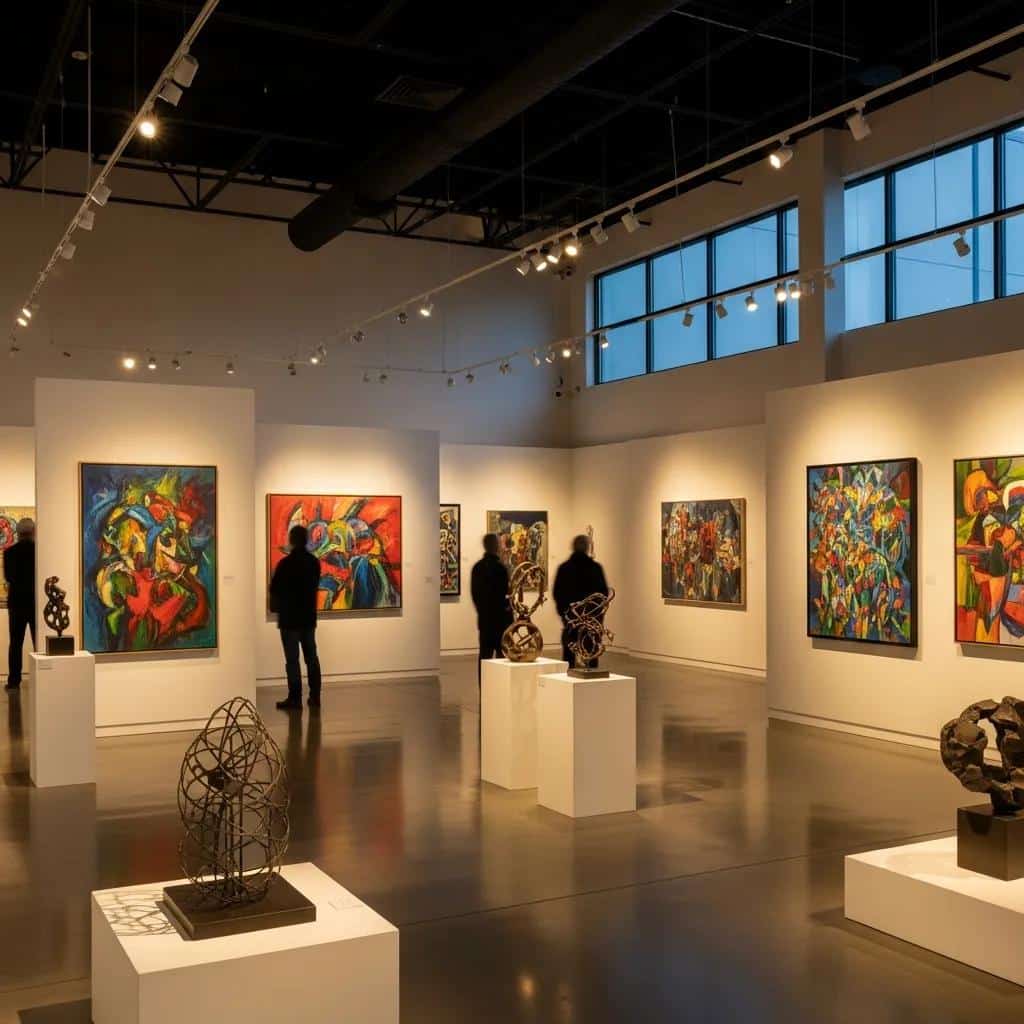
Lighting plays a crucial role in showcasing artwork while preserving its integrity. Consider these lighting techniques:
- Use LED Lights: They emit less heat and UV radiation, reducing the risk of damage.
- Adjustable Fixtures: Allow for flexibility in directing light to highlight the artwork effectively.
- Dimmers: Use dimmers to control the intensity of the light, preventing glare and overexposure.
Implementing these lighting techniques can enhance the visibility of your artwork while protecting it from potential damage.
How to Commission and Display Original Art by Geiler Corona?
Commissioning original art offers a unique opportunity to own a piece tailored to your preferences. Understanding the commissioning process and how to display the artwork effectively can enhance your collection.
What Are the Benefits of Custom Commissioning Original Paintings?
Commissioning original paintings provides several advantages:
- Personalization: Tailor the artwork to reflect your personal style and preferences.
- Connection with the Artist: Engage directly with Geiler Corona to discuss your vision and ideas.
- Unique Pieces: Own a one-of-a-kind artwork that cannot be found elsewhere.
These benefits make commissioning a rewarding experience for art collectors.
How to Integrate Commissioned Art into Existing Framing and Installation Practices?
Integrating commissioned art into your existing collection requires thoughtful consideration. Here are some tips:
- Match Framing Styles: Ensure the frame of the commissioned piece complements your existing artworks.
- Consider Placement: Choose a location that highlights the new artwork while maintaining balance with other pieces.
- Adjust Lighting: Ensure that the lighting is suitable for the new piece, enhancing its visibility and impact.
By following these guidelines, you can seamlessly incorporate commissioned art into your collection while maintaining a cohesive aesthetic.
