
165
Caring for Original Paintings: Cleaning, Storage, and Protection
Caring for Original Paintings: Expert Cleaning, Storage, and Protection Techniques for Preservation
Caring for original paintings is essential for preserving their beauty and value over time. This guide provides expert techniques for cleaning, storing, and protecting original artworks, ensuring they remain in pristine condition. Many art collectors and enthusiasts face challenges in maintaining their pieces, which can lead to deterioration and loss of value. By understanding the best practices for art preservation, you can safeguard your investments and enjoy your artworks for years to come. This article will cover essential cleaning techniques, optimal storage solutions, and effective protection methods, all aimed at enhancing the longevity of original paintings.
What Are the Essential Cleaning Techniques for Original Paintings?
Cleaning original paintings requires careful consideration to avoid damage. Proper techniques ensure that the artwork retains its integrity while removing dust and grime. Regular maintenance is crucial, as neglect can lead to irreversible damage. Understanding the right methods and tools is vital for effective cleaning.
How Should Oil and Acrylic Paintings Be Cleaned Safely?
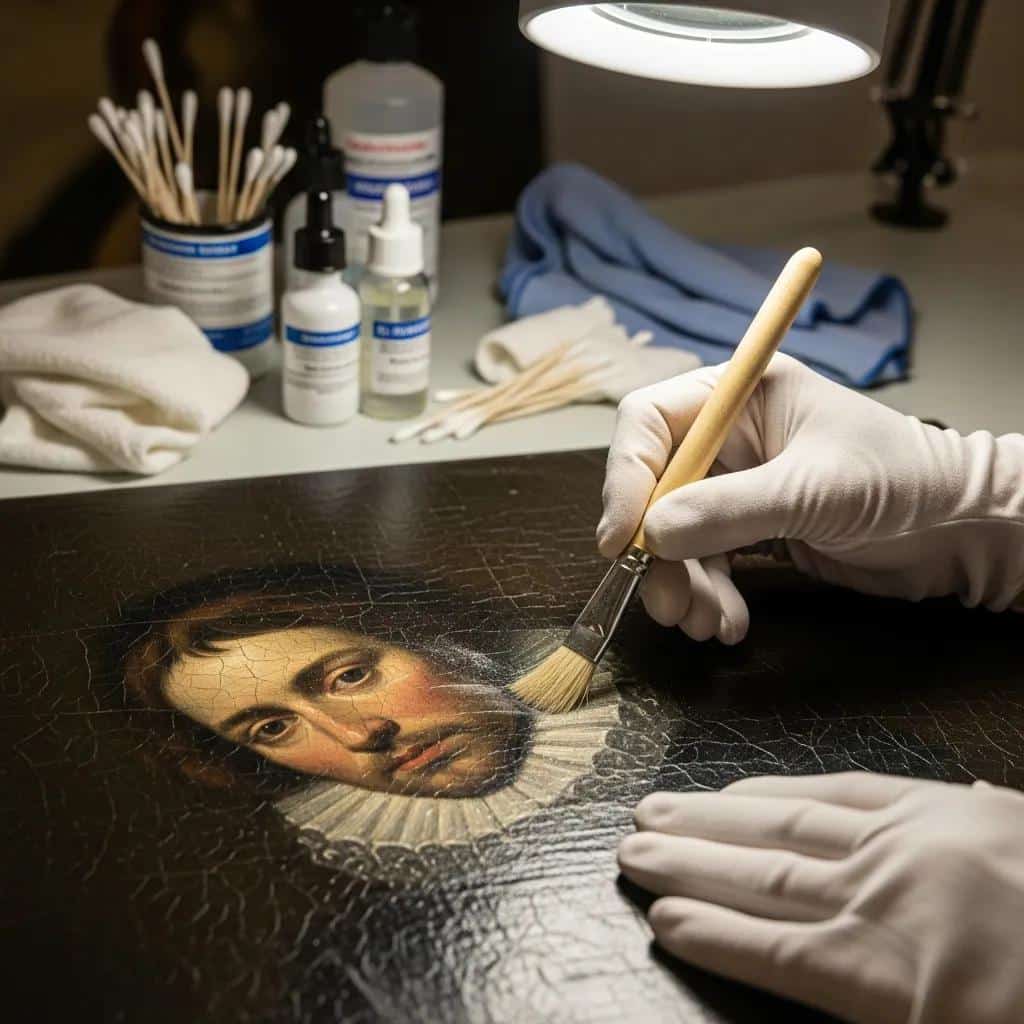
Oil and acrylic paintings should be cleaned with great care to avoid damaging the surface. For oil paintings, it is essential to use soft brushes to gently remove dust without disturbing the paint layer. Avoid using water, as it can cause the paint to lift or smear. Instead, consider using a specialized cleaning solution designed for oil paintings, applied sparingly with a soft cloth. Acrylic paintings can be cleaned with a damp cloth, but ensure that the cloth is not overly wet to prevent water damage.
Further research delves into the complexities of cleaning sensitive oil paintings, exploring various advanced materials and methods.
Optimizing Cleaning Systems for Sensitive Oil Paintings
This paper outlines the approach and key findings of systematic studies into the use of various surface cleaning materials on a range of accelerated-aged sensitive oil paint surfaces, carried out through the Cleaning Modern Oil Paints (CMOP) project. Studies involved the use of recently introduced options such as adjusted pH and conductivity waters, spreadable gels, rigid gels, silicone emulsifiers, and mineral spirits-based microemulsions, with additional explorations into the effects of application methods. The combined results offer information on the advantages and risks associated with each cleaning material, and an approach to optimising wet systems for the cleaning of sensitive oil painted surfaces.
Evaluating cleaning systems for use on water sensitive modern oil paints: a comparative study, I Bonaduce, 2020
Which Materials and Tools Are Recommended for Painting Maintenance?
To maintain original paintings effectively, specific tools and materials are recommended. Essential items include:
- Soft Brushes: Ideal for dusting without scratching the surface.
- Microfiber Cloths: Perfect for gentle cleaning without leaving lint.
- Specialized Cleaning Solutions: Formulated for art preservation, these solutions help remove grime without harming the paint.
Using the right tools ensures that the cleaning process is safe and effective, preserving the artwork’s quality.
How Can Proper Storage Solutions Preserve Original Paintings?
Proper storage is critical for the preservation of original paintings. Environmental conditions play a significant role in maintaining the integrity of artworks. By implementing suitable storage solutions, you can protect your paintings from damage caused by humidity, temperature fluctuations, and light exposure.
What Environmental Conditions Optimize Art Storage?
The ideal environment for storing original paintings includes:
- Temperature Control: Maintain a stable temperature, ideally between 65°F and 75°F.
- Humidity Levels: Keep humidity between 40% and 60% to prevent mold growth and paint deterioration.
- Light Exposure: Store paintings away from direct sunlight to avoid fading and discoloration.
These conditions help ensure that your paintings remain in excellent condition over time.
Comprehensive guides emphasize the critical role of climate control and environmental protection in safeguarding diverse art collections.
Climate Control & Environmental Protection for Art Collections
are aimed at encouraging the preservation care given to our collections. It covers the theoretical and practical aspects of climate control, along with the more general issues of environmental protection. It also discusses the preservation needs of diverse types of art and archival materials.
Guide to Environmental Protection of Collections, 1994
Which Archival Materials and Methods Ensure Long-Term Protection?
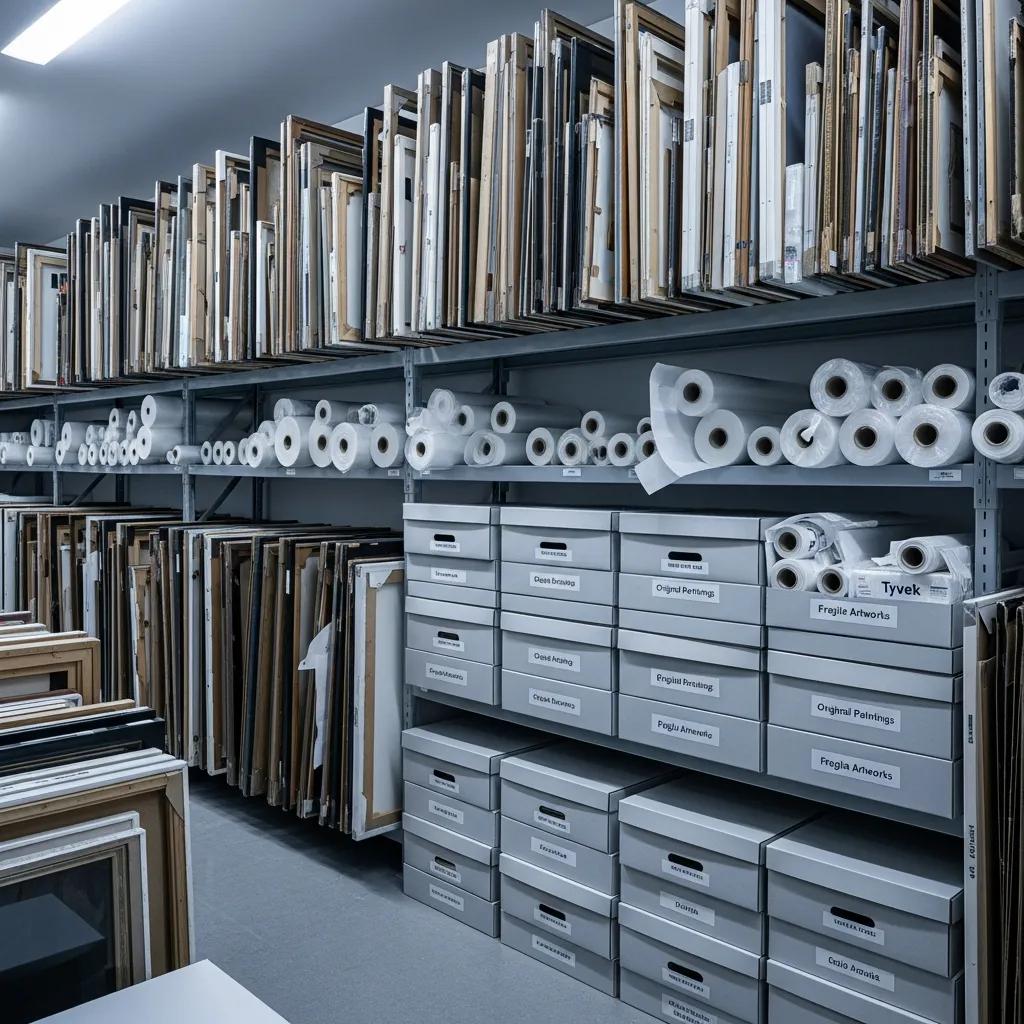
Using archival materials is essential for long-term protection of original paintings. Recommended materials include:
- Archival Frames: Designed to protect artworks from environmental damage.
- Storage Boxes: Acid-free boxes provide a safe environment for paintings.
- Protective Wraps: Use materials that do not emit harmful chemicals to wrap paintings during storage.
Implementing these methods can significantly extend the life of your artworks, safeguarding them for future generations.
What Are the Best Protection Methods to Safeguard Original Paintings?
Protecting original paintings involves various methods that enhance their durability and aesthetic appeal. Effective protection strategies can prevent physical damage and environmental degradation, ensuring that artworks retain their value.
How Do Framing and UV Filters Contribute to Artwork Preservation?
Framing plays a crucial role in protecting original paintings. High-quality frames not only enhance the visual appeal but also provide structural support. Additionally, using UV-filtering glass can significantly reduce the risk of fading caused by sunlight exposure. This combination of framing and UV protection helps maintain the vibrancy of colors and the integrity of the artwork.
What Role Do Varnishes and Surface Treatments Play in Protection?
Varnishes and surface treatments are essential for safeguarding paintings from dust, dirt, and environmental factors. Different types of varnishes can provide varying levels of protection:
- Gloss Varnish: Enhances color depth and provides a shiny finish.
- Matte Varnish: Offers a non-reflective surface, reducing glare.
- Satin Varnish: Balances between gloss and matte, providing a subtle sheen.
Applying these treatments correctly can protect the surface of the painting while enhancing its overall appearance.
The application of picture varnishes, while offering protection, also presents unique considerations for long-term conservation.
Picture Varnishes for Painting Protection & Conservation
Although the techniques and materials employed by artists began to change in the late nineteenth century, the use of picture varnishes as a final protective layer on paintings has remained common. Although varnish may protect the underlying paint to some extent, it also presents a number of problems for conservation.
Old master paintings: a study of the varnish problem, 1989
How Does Caring for Paintings Enhance Their Artistic and Monetary Value?
Regular maintenance and care for original paintings not only preserve their physical condition but also enhance their artistic and monetary value. Collectors and art enthusiasts recognize that well-maintained artworks are more appealing and can command higher prices in the market.
Why Is Regular Maintenance Critical for Geiler Corona’s Original Artworks?
For Geiler Corona’s original artworks, regular maintenance is particularly important due to their unique characteristics and materials. Specific care tailored to contemporary art can significantly impact the longevity and aesthetic appeal of these pieces. By ensuring that these artworks are cleaned and stored properly, collectors can maintain their value and support the artist’s legacy.
How Does Preservation Support Collectors and Interior Design Integration?
Preservation plays a vital role in integrating art into interior design. Well-maintained paintings can enhance the aesthetic of any space, making them valuable assets for collectors. By understanding the importance of preservation, collectors can ensure that their artworks not only retain their beauty but also complement their living environments effectively.
